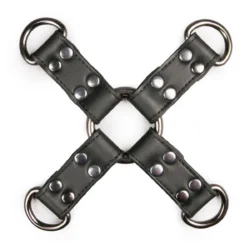
Toys Fetish – Black Leather Hogtie
Original price was: € 36,99.€ 25,99Current price is: € 25,99. You Save € 11,00 (30%)
- ✓ Faux leather hogtie
- ✓ For any bondage game
- ✓ Luxurious design
- ✓ Sturdy material
- ✓ With studs
In Stock
Hogties are designed for bondage scenes where a restrained position is part of the experience. They typically bring wrists and ankles closer together, creating a more controlled posture than separate cuffs or loose restraints. At Eroproducts, this category is suited to shoppers who already understand the importance of consent, communication and calm pacing during BDSM play.When choosing a hogtie, think about how it will fit into your existing setup. Some visitors combine hogties with bondage ropes for a more traditional restraint style, while others prefer accessories that help define positioning, such as spreader bars. Browse the selection, compare the options available and choose the product that best matches your experience level, preferred style and scene planning.
Showing the single result
Hogties are a focused type of bondage restraint used to bring the wrists and ankles into a connected position. Compared with separate cuffs, simple rope ties or light restraint accessories, a hogtie creates a more fixed posture and therefore requires more planning. It is best suited to consensual BDSM play where both partners understand the setup beforehand and agree on boundaries, communication and release.
For many shoppers, the appeal of hogties is their simplicity: one item can create a clear restraint arrangement without needing a large collection of separate accessories. However, simple does not mean careless. Before use, check how the product closes, how quickly it can be released and whether the restrained partner can remain comfortable in the chosen position. A hogtie should never be used in a rushed way or as a substitute for communication.
If you are building a broader bondage collection, hogties can sit alongside other restraint categories. Bondage ropes offer a more adaptable approach for people who enjoy tying and adjusting positions. Bondage tape can be useful for temporary restraint ideas where a different feel is desired. Hogties, by contrast, are usually chosen when the intention is a defined and recognizable restraint position.
The hogtie category may include different designs depending on current stock, but the purpose remains broadly similar: connecting restraint points to create a compact bondage position. Some shoppers prefer a minimal style that focuses on function, while others choose a more classic fetish look to match the rest of their accessories. Product names and photos are the best place to compare the exact style, finish and closure type of each item.
A popular option in this category is the Toys Fetish - Black Leather Hogtie. Its name makes it a natural choice for shoppers looking for a black leather hogtie aesthetic. When comparing it with other items, consider how it will pair visually and practically with restraints you may already own.
Many customers also coordinate hogties with accessories from nearby bondage categories. A BDSM collar can help complete a dominant and submissive look, while bondage harnesses can add structure and style to a scene. These items do not replace a hogtie, but they can help create a more complete setup when chosen thoughtfully.
Start with experience level. Hogties create a more restrictive position than many beginner bondage items, so they are generally better for people who are familiar with restraint play. If you are new to bondage, it may be worth beginning with less restrictive accessories before moving to a hogtie. This allows partners to learn what feels comfortable, how they communicate during restraint and how quickly they can end the scene if needed.
Next, think about release and access. A good bondage setup should always include a clear way to stop. Before any scene begins, agree on a safe word or non-verbal signal, especially if other accessories are involved. Keep the session calm, check in regularly and avoid leaving a restrained person unattended. These points are not just for beginners; they are part of responsible BDSM play at every level.
Comfort is another key factor. The restrained position should not force the body beyond what the person can comfortably hold. Take time to test the position gently before committing to a longer scene. If discomfort builds, pause and adjust. The goal is controlled restraint within agreed limits, not pushing past what feels manageable.
Finally, consider the rest of your scene. If you want sensory focus, bondage masks may be relevant. If speech control is part of an agreed roleplay, ball gags are another related category to explore. When combining accessories, plan communication carefully and avoid adding too many restrictions at once.
Hogties differ from many restraint products because they are designed around a specific connected position. Rope offers more flexibility, but it also requires tying knowledge and attention to tension. Tape can be quick and visually striking, but it is not the same as a reusable, dedicated hogtie. Cuffs, collars and harnesses each serve their own role, while a hogtie is usually selected when wrist-to-ankle connection is the main idea.
If you want a ready-made selection of compatible items, bondage sets can be worth browsing. Sets may help shoppers discover combinations of restraints and accessories without choosing every piece separately. For positioning that keeps limbs apart rather than drawn together, spreader bars offer a very different restraint style. Comparing these categories can help you decide whether you want compact restraint, open positioning or a mix of both.
Before use, inspect your hogtie for visible wear, weak points or damage. If anything looks unreliable, do not use it. After use, follow the care guidance supplied with the product whenever available. Store bondage accessories in a clean, dry place and keep them away from sharp objects that could damage the material or closure points.
Preparation also includes the scene itself. Choose a stable environment, remove trip hazards and keep any needed release tools within reach if appropriate for the type of restraint. Discuss positions before starting, especially if one partner has limited flexibility or is unsure how long they can hold the posture. A short first session is often more useful than trying to extend the experience too quickly.
Hogties are usually better suited to people who already have some experience with bondage restraints. Beginners may prefer to start with less restrictive items first, then move to hogties once communication, comfort and release routines are well understood.
A hogtie is generally a dedicated restraint item designed to connect wrists and ankles in a specific position. Bondage rope is more flexible and can be used for many different ties, but it requires more tying skill and careful tension control.
Yes, hogties can be combined with accessories such as collars, masks or gags when all partners consent and communication is planned. It is best to add accessories gradually rather than introducing several restrictions at the same time.
Agree on boundaries, signals and a clear way to stop before the scene begins. Check the product, test the position gently and make sure the restrained person is never left unattended.
Explore the hogties category at Eroproducts to find a restraint style that fits your level of experience and the kind of BDSM scene you want to create. With thoughtful preparation and clear communication, a hogtie can be a strong addition to a well-planned bondage collection.